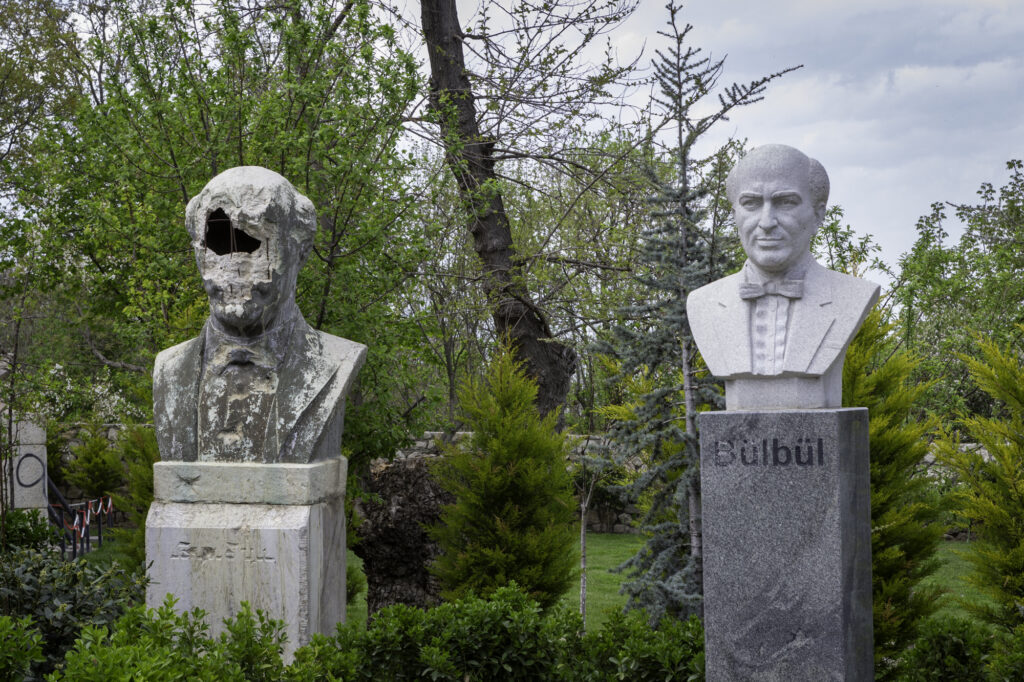
Shusha, Bulbul House Museum. The two busts of the tenor: on the left, the one destroyed during the capture of the city; on the right, the one sculpted specifically for the reopening of the museum.
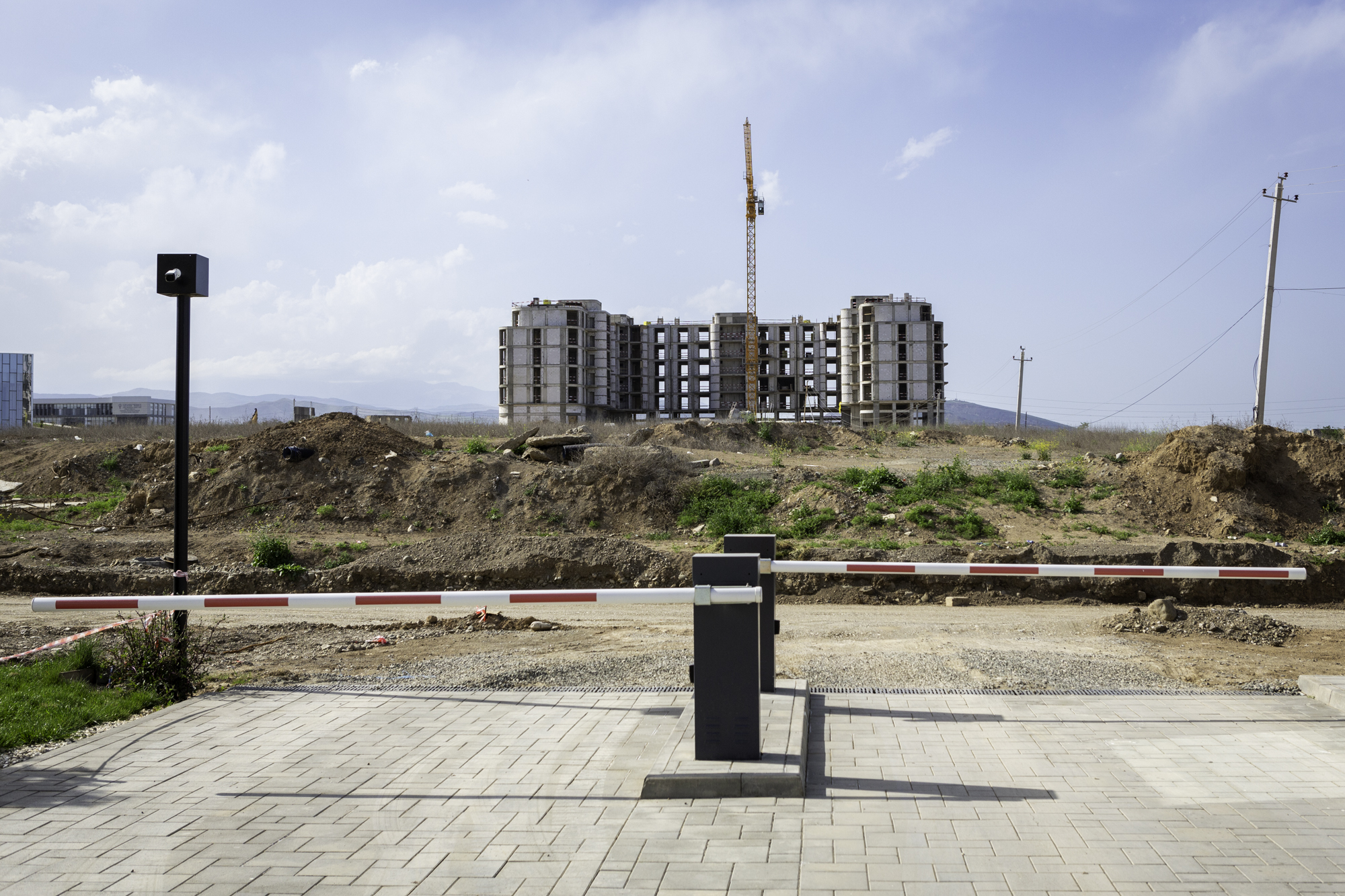
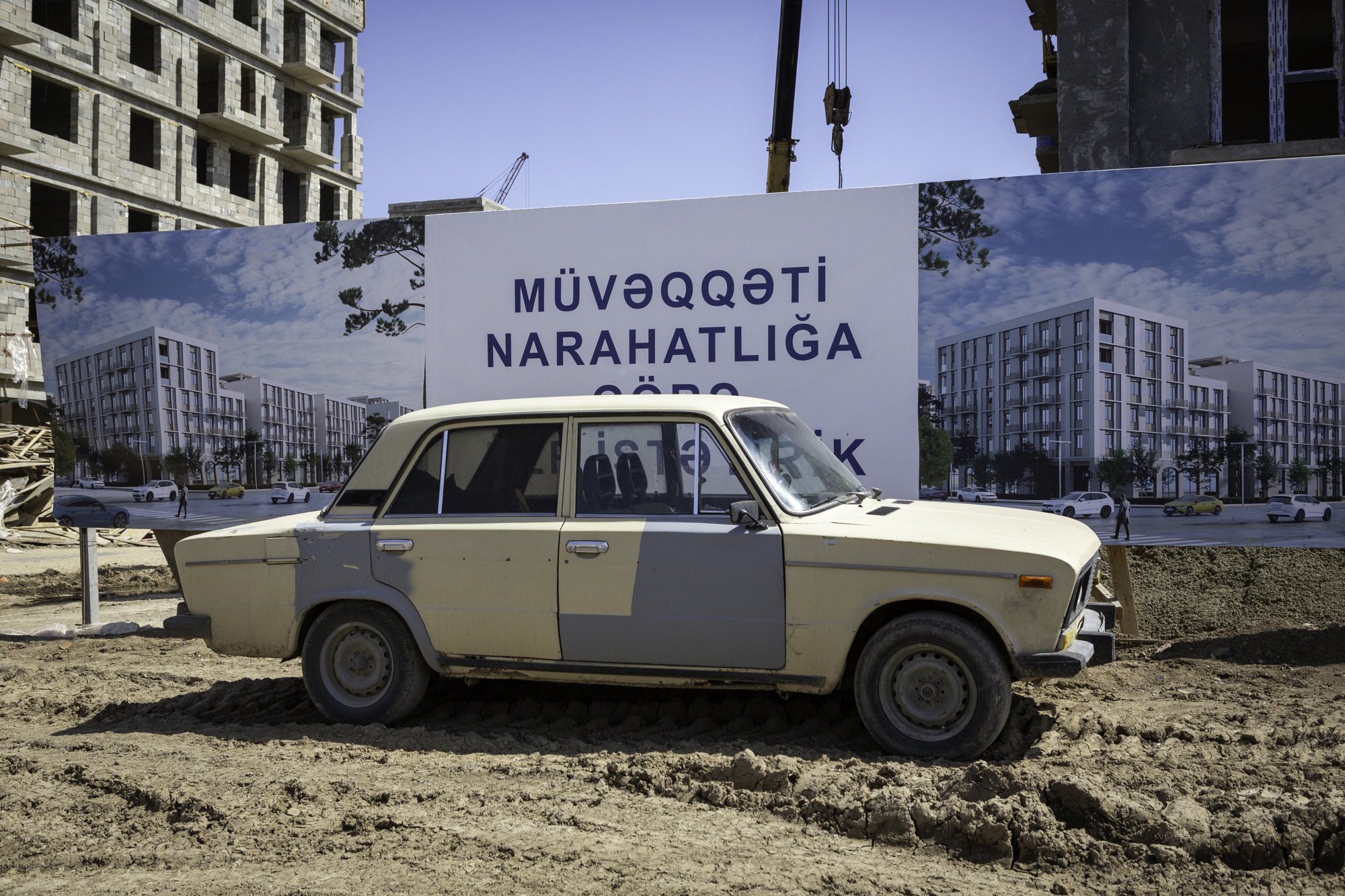
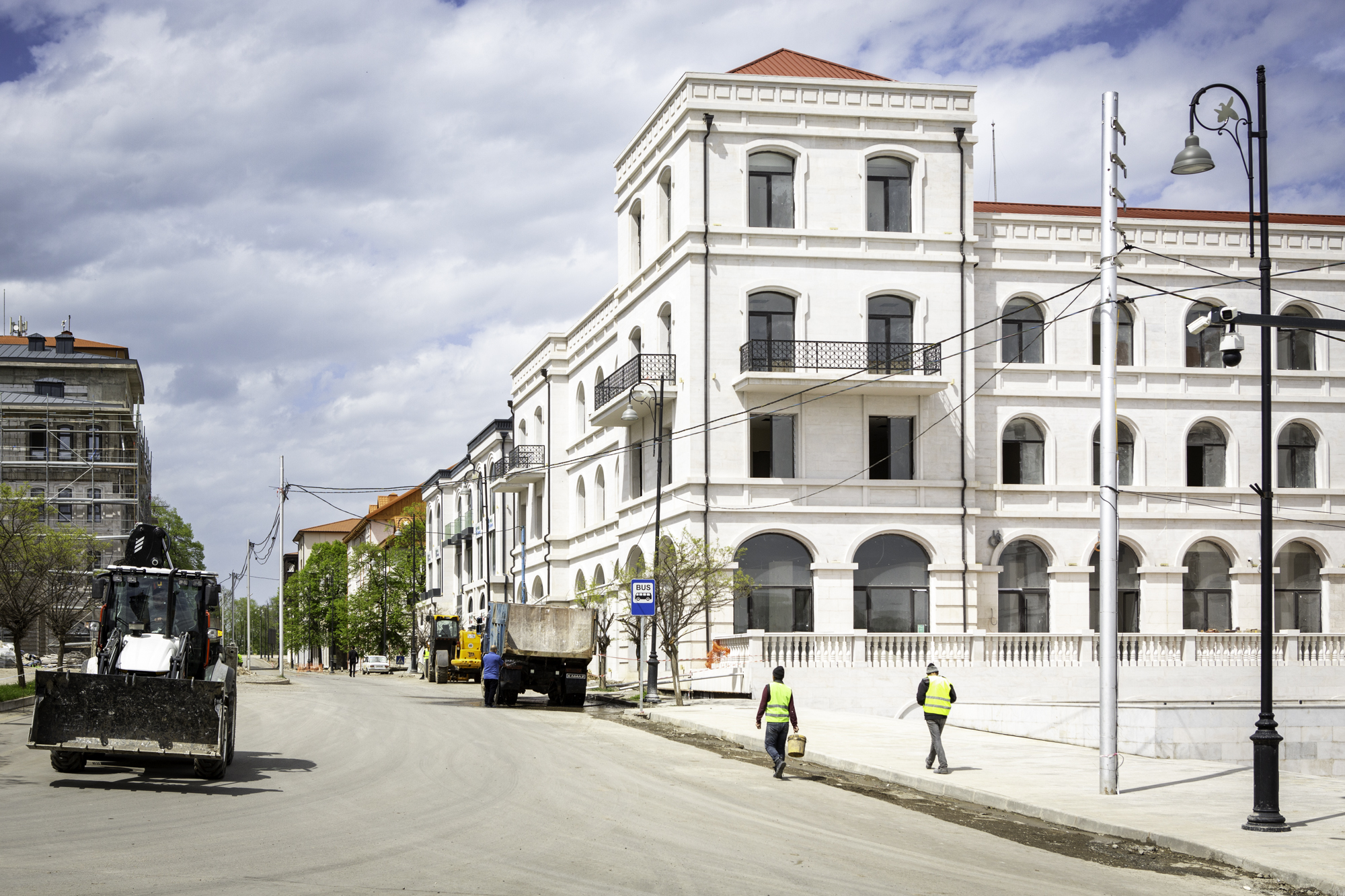
Agdam, entrance to the parking area of the City Hotel. In the background, the Park Qarabag residential building under construction.
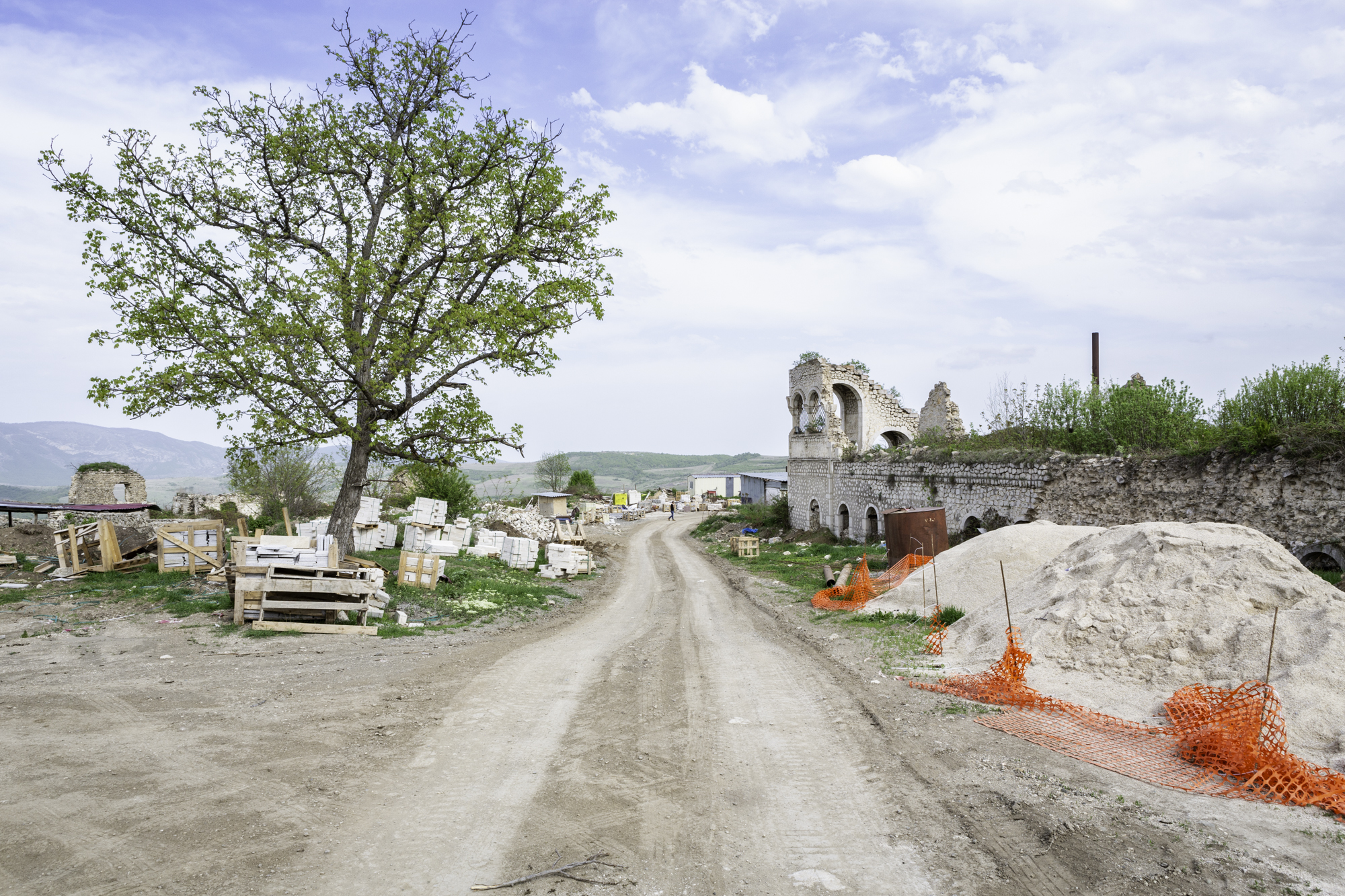
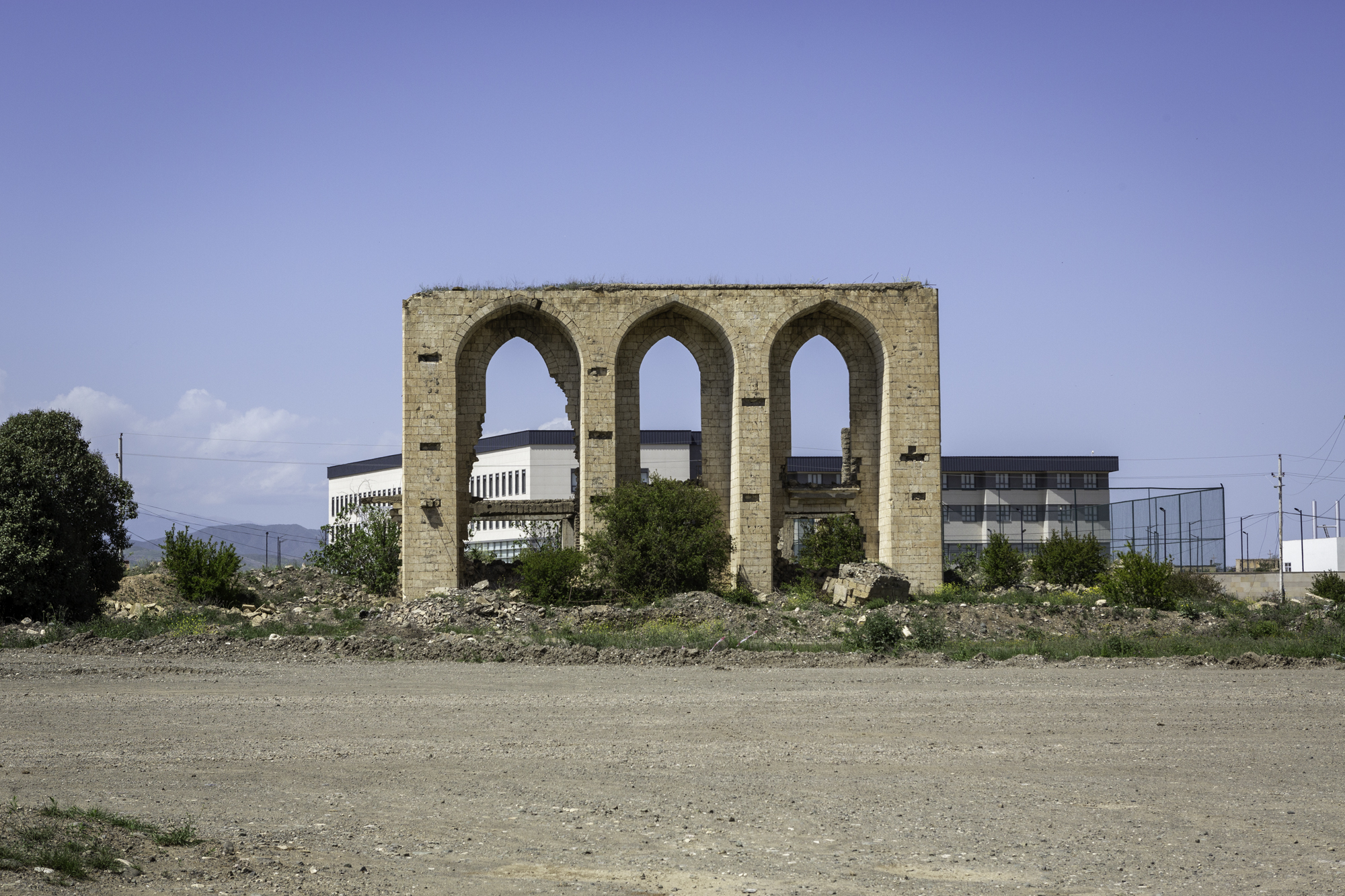
Shusha. On the right, the Haji Gulular Palace, built in 1849: the area is used as a storage site for construction materials.
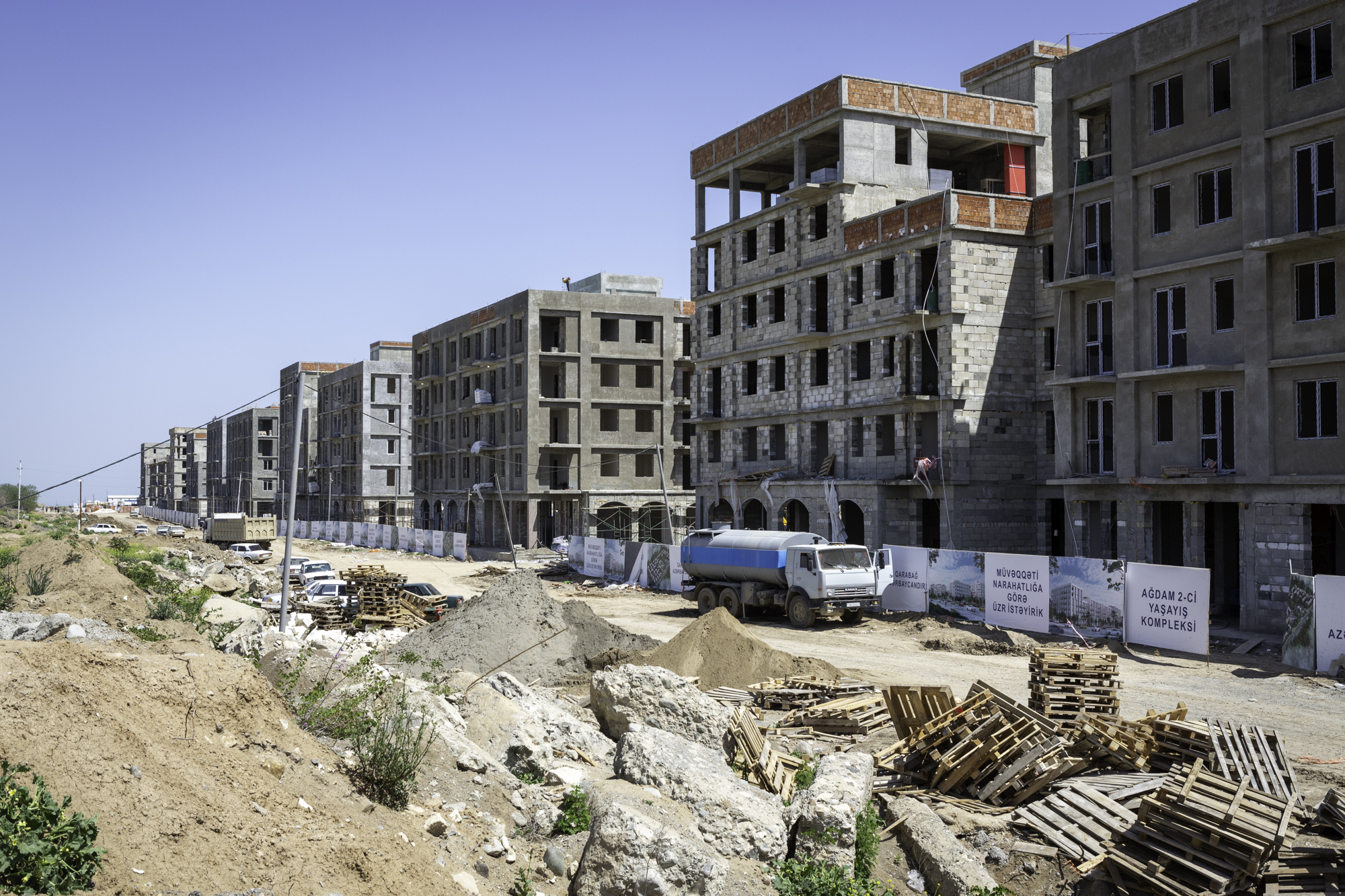
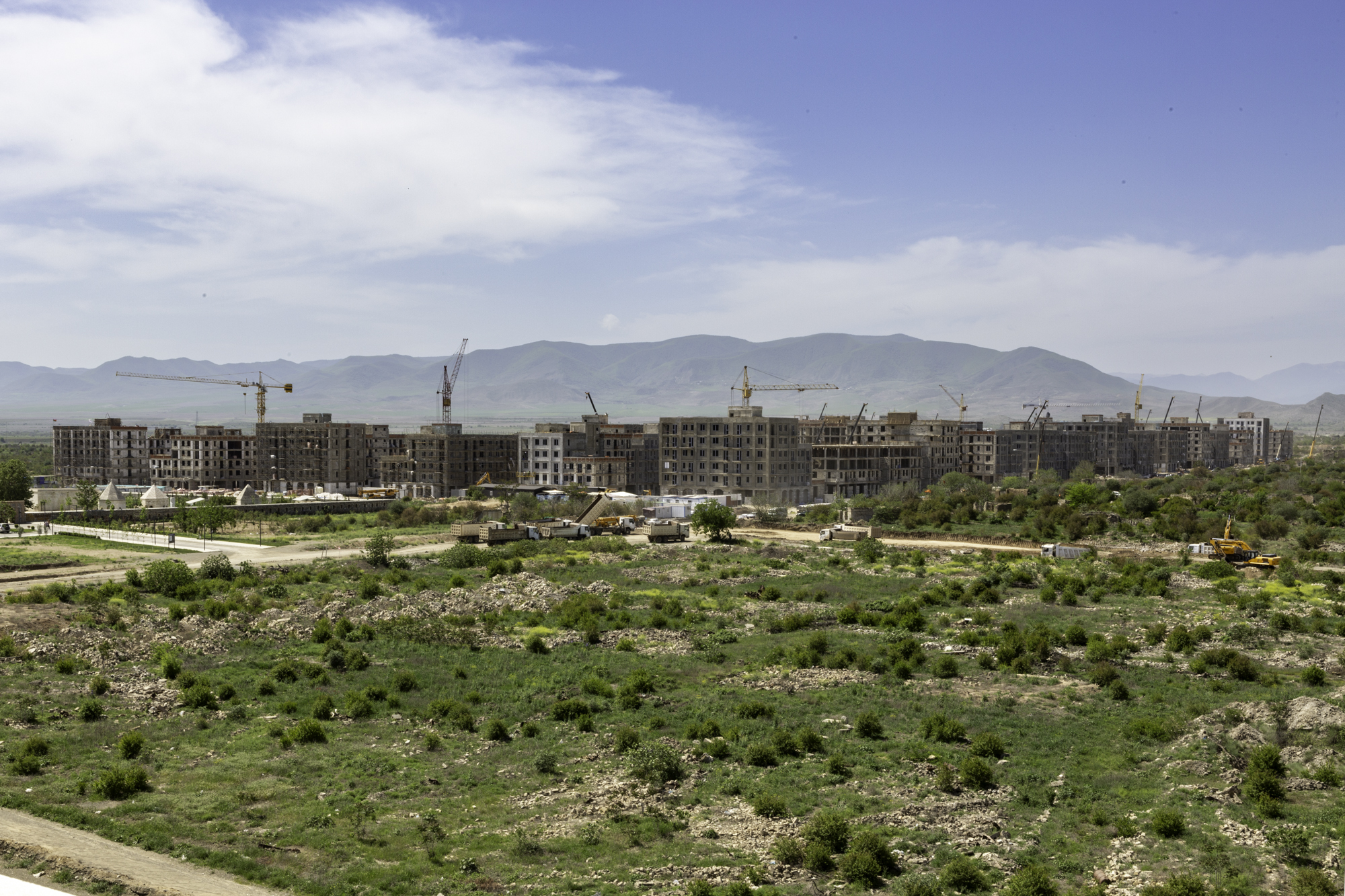
Agdam, residential complex of the second district.
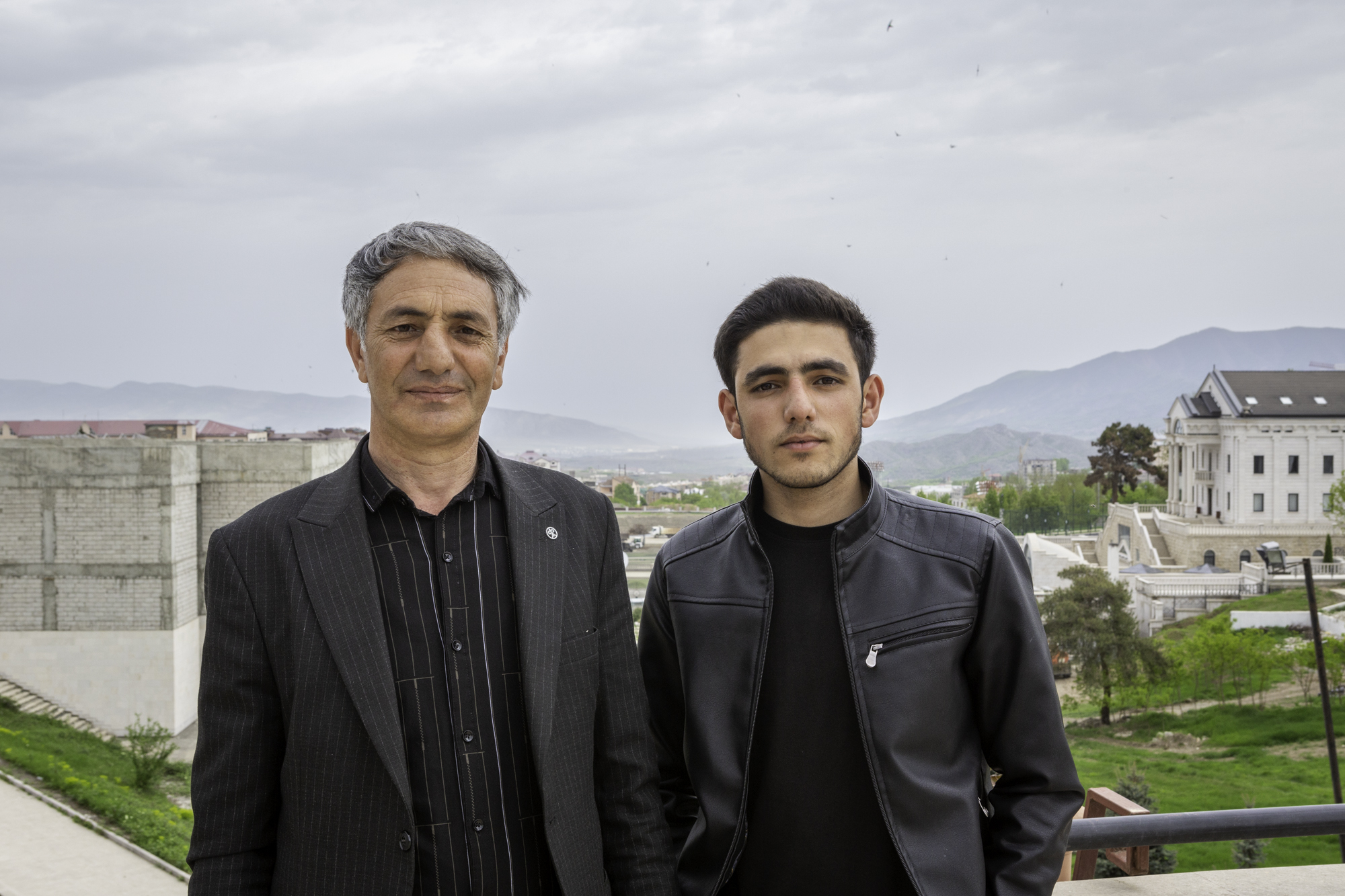
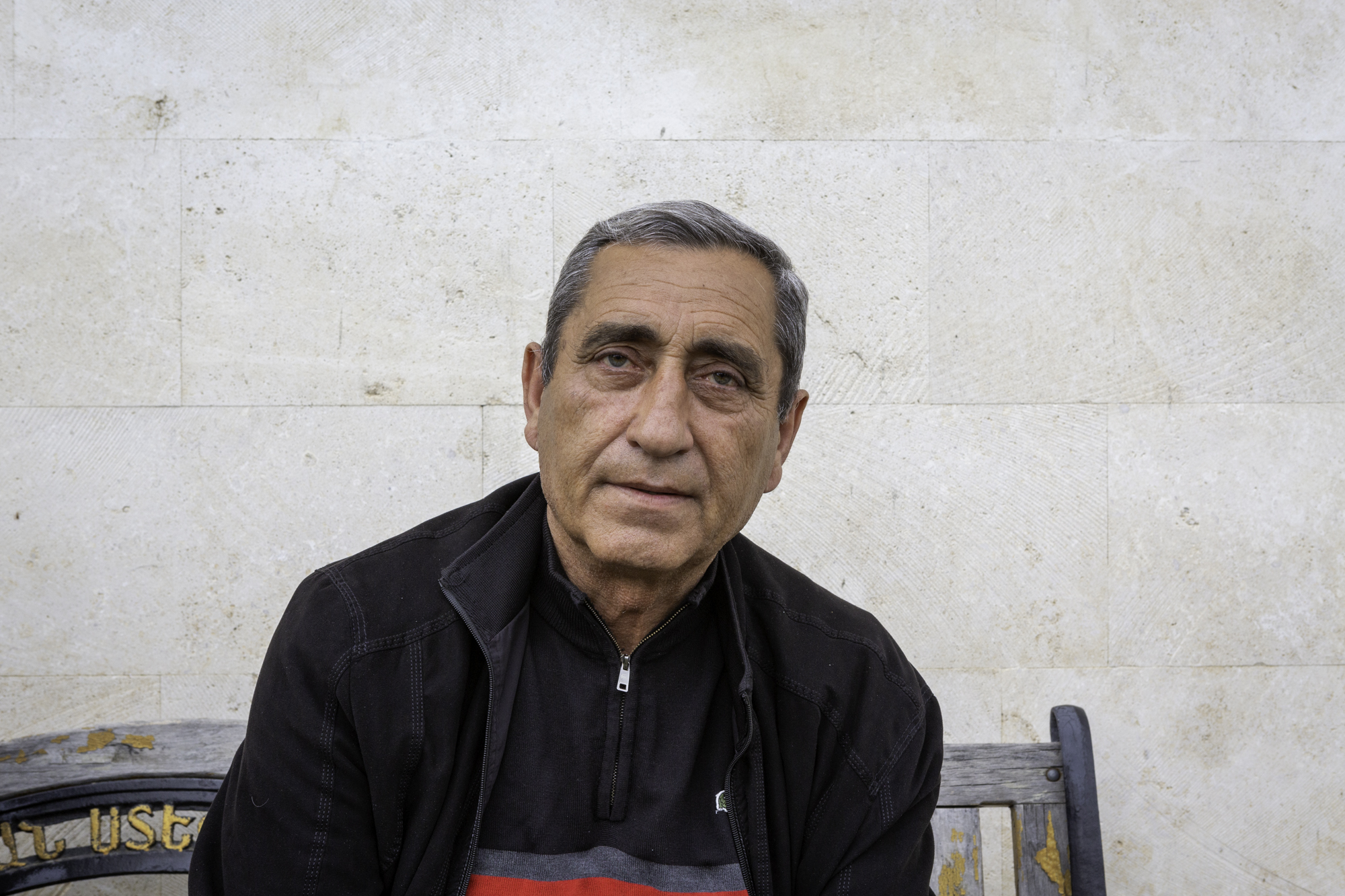
Xankendi, Victory Square. Osman Xelilov and his son Nurlan. Osman is originally from the village of Sham, near Lachin, where 60 families lived; he has been a refugee in Barda for 34 years.
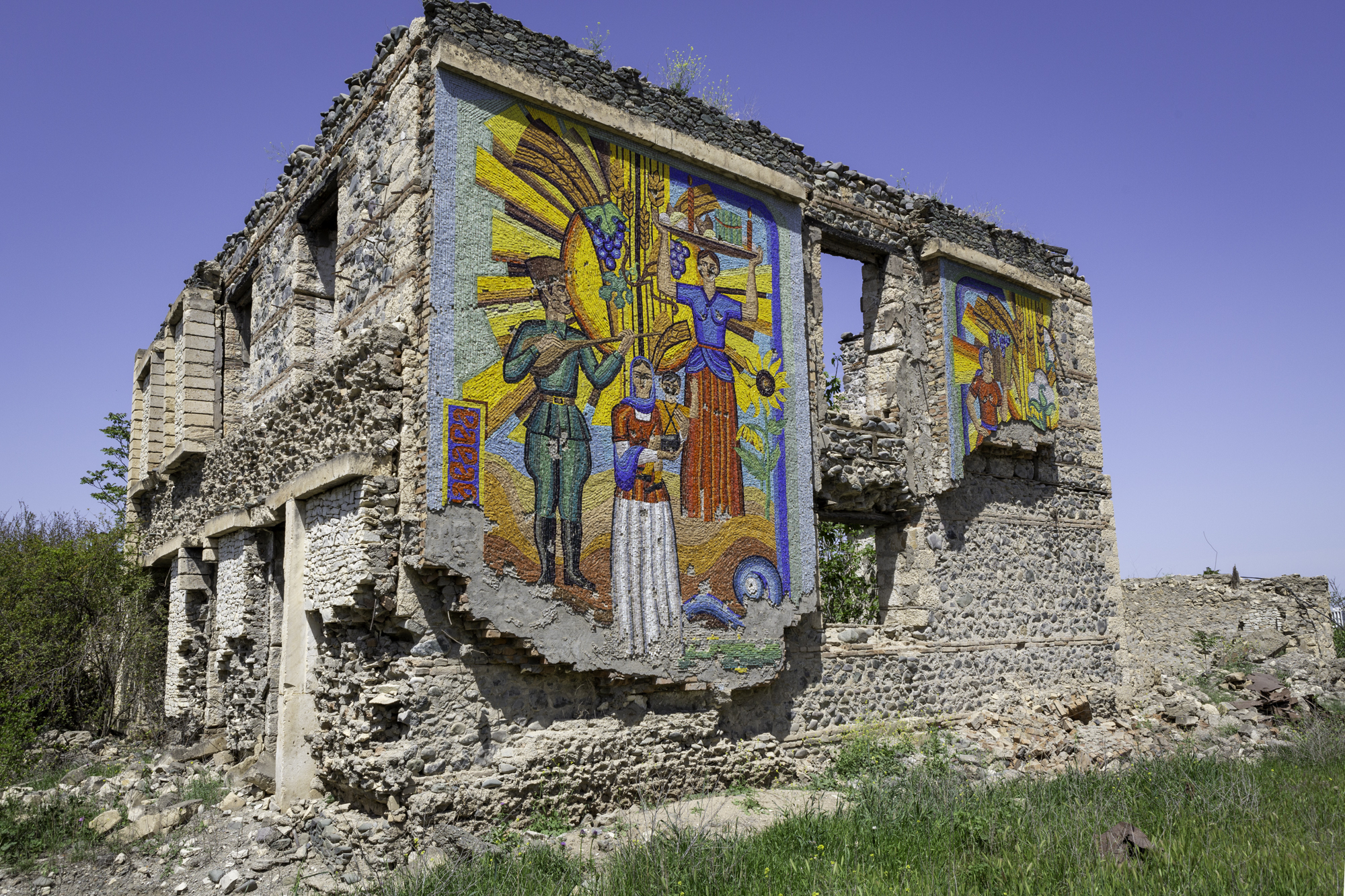
Agdam, remains of the Bread Museum. The museum was destroyed by a missile on August 12, 1992.
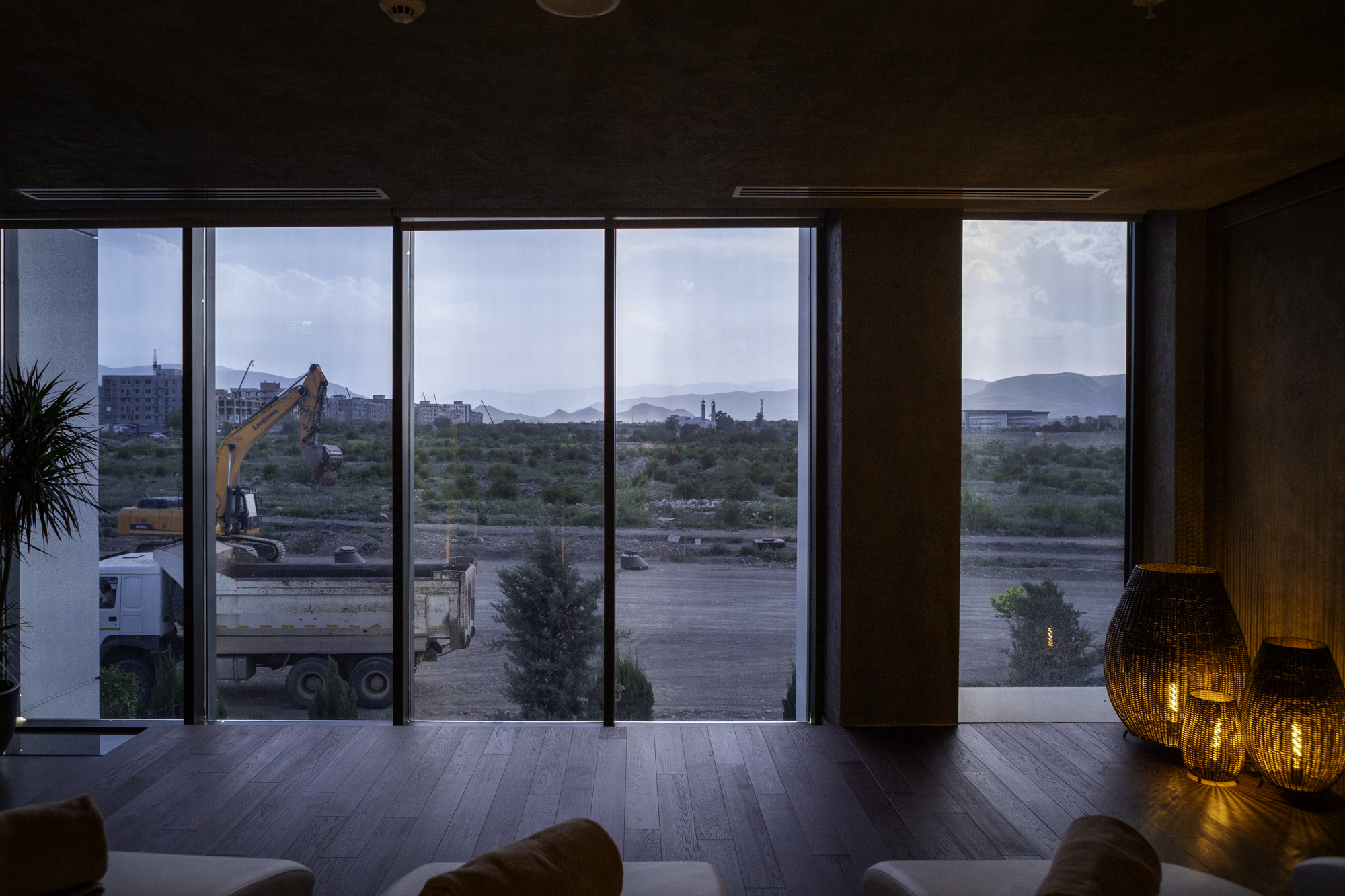
Agdam, the relax lounge of the Agdam City Hotel.
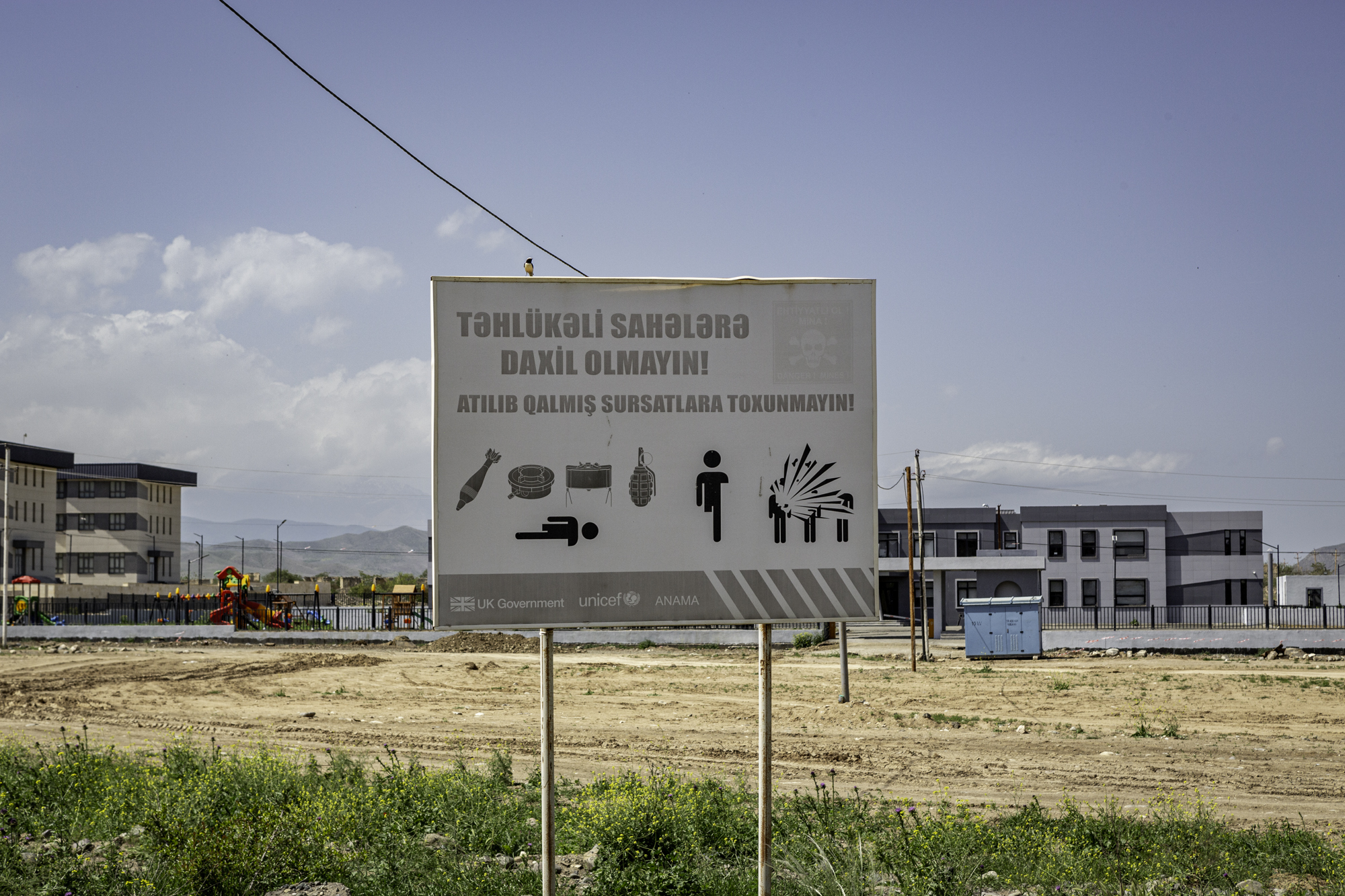
Agdam, a sign warns of the danger of mines. In front of the new kindergarten and elementary schools.
Agdam, remains of the State Drama Theatre.
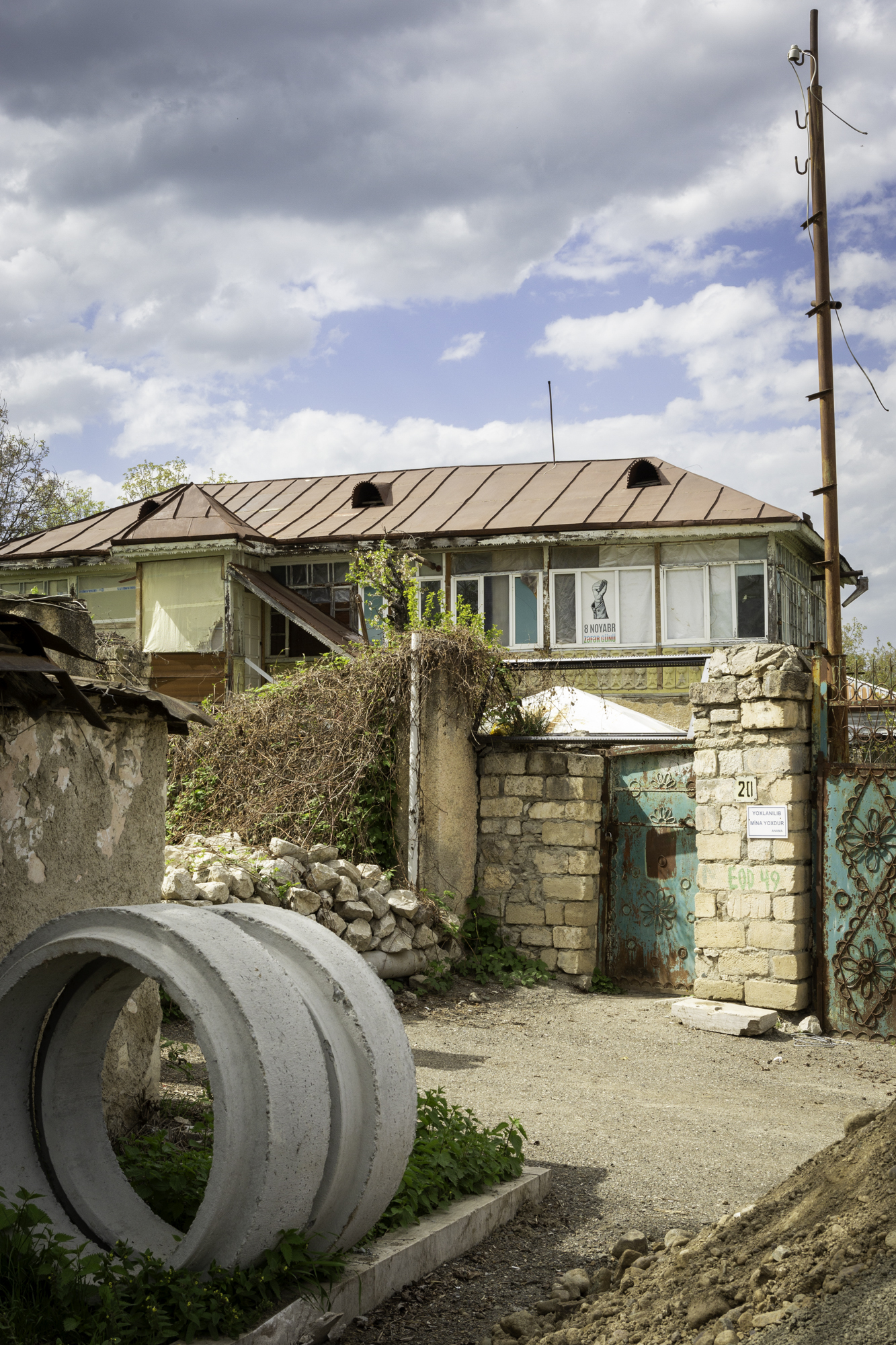
Shusha, one of the few houses still in use. In the window, a poster celebrates November 8, the day of the city’s recapture.
Agdam, residential complex of the second district.
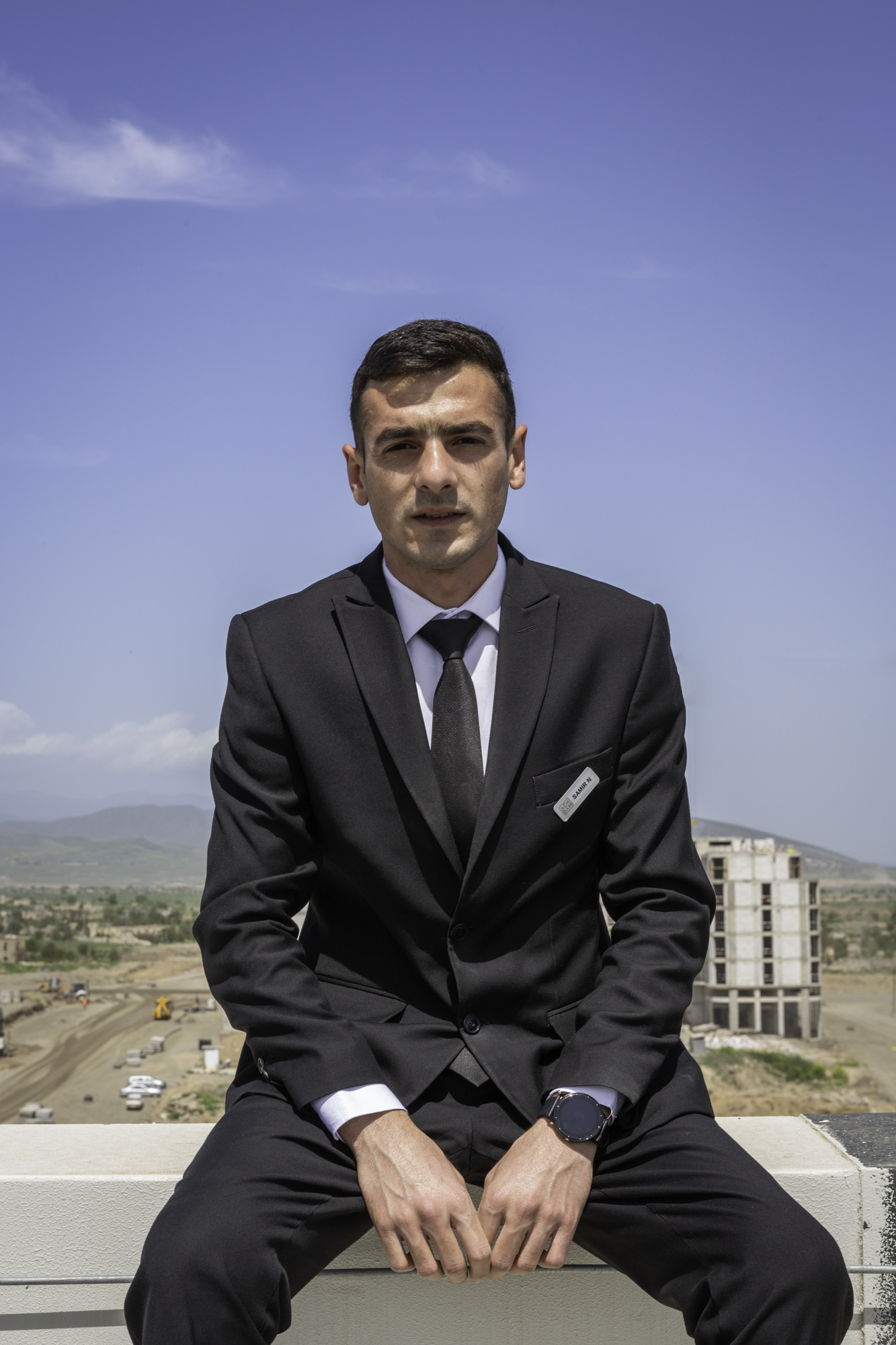
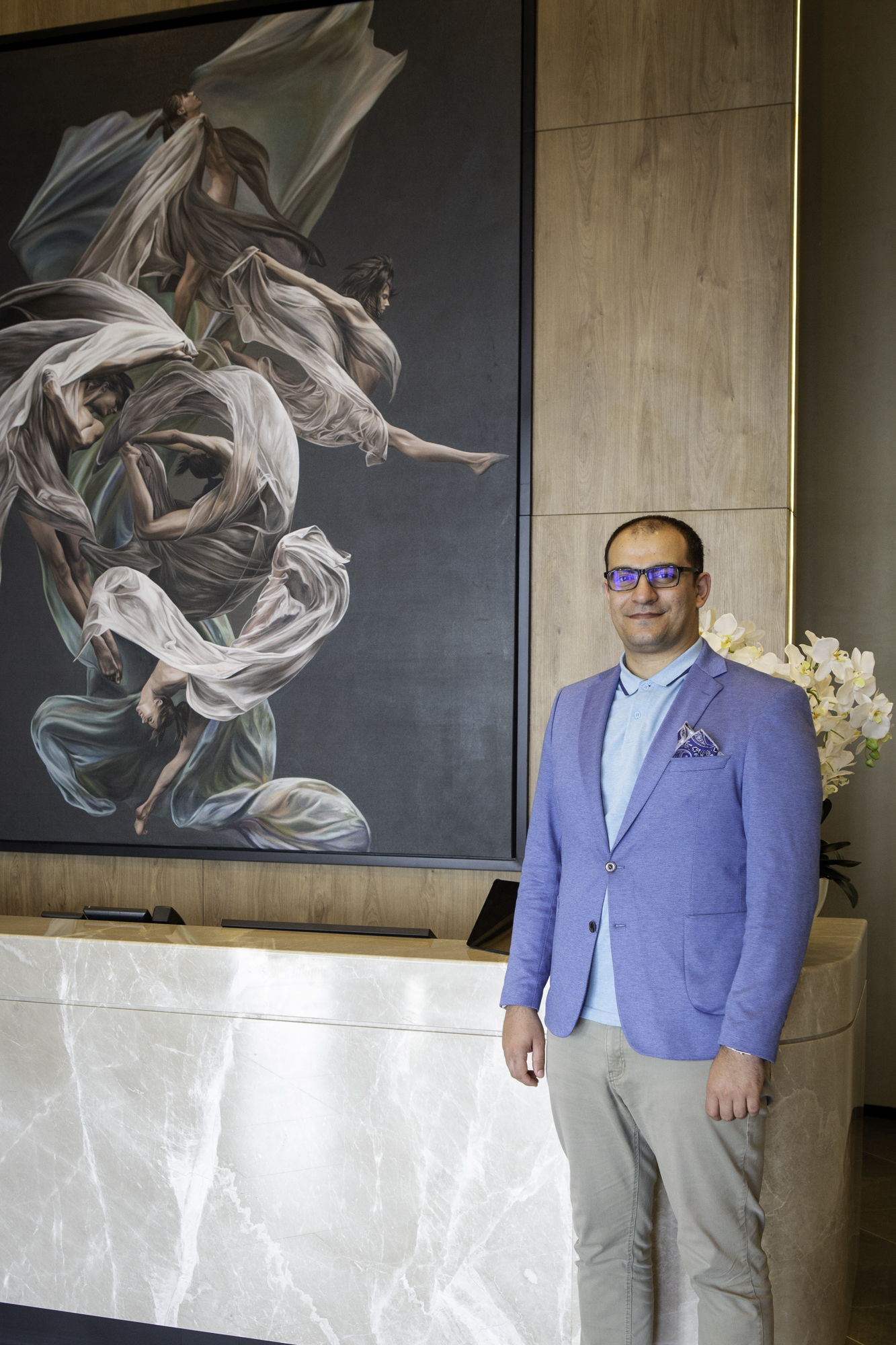
Agdam. Samir is one of the few employees of the Agdam City Hotel, currently open for construction workers and state delegates.
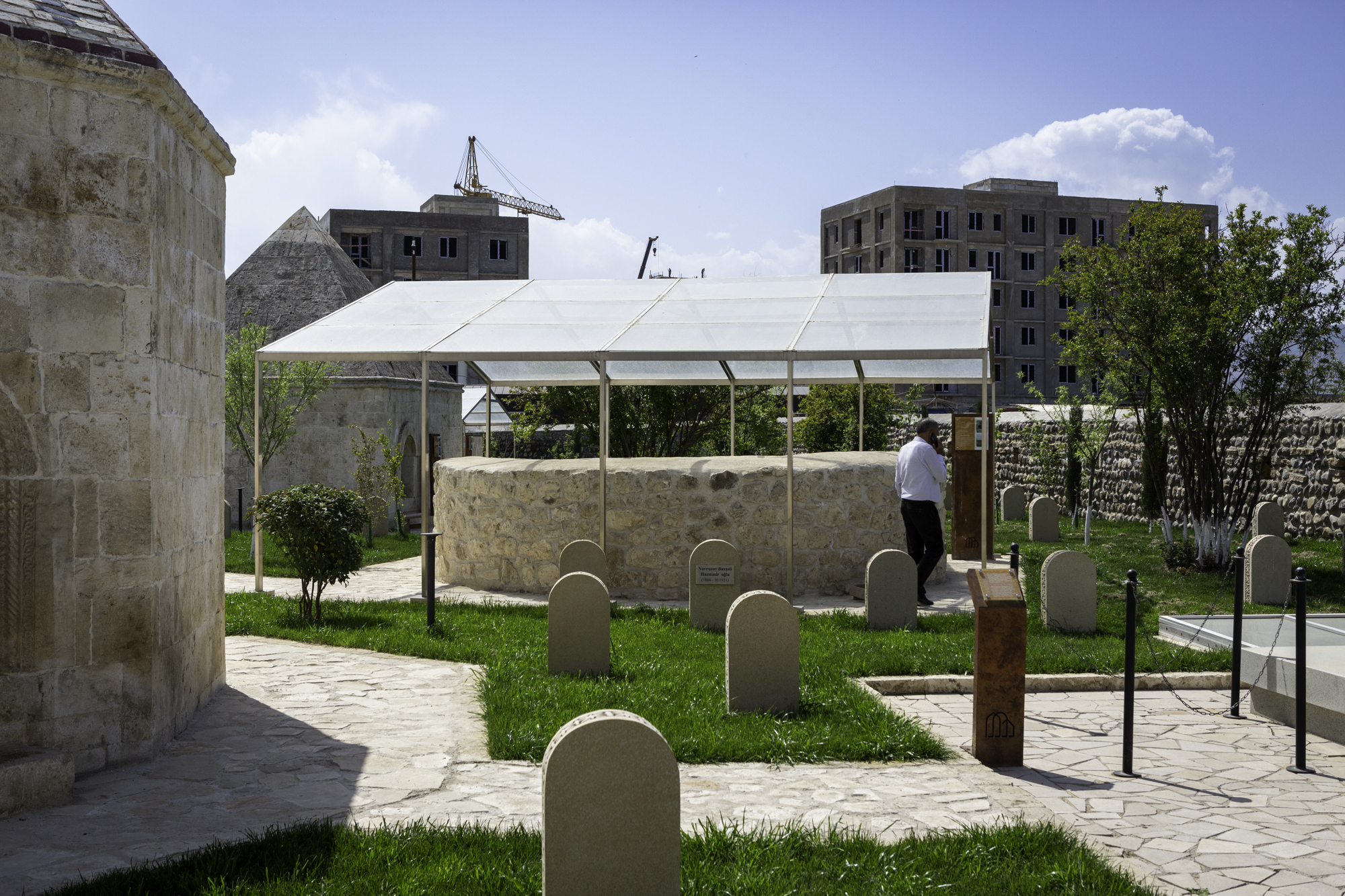
Agdam, Imarat cemetery complex, vandalized and turned into a stable during the Armenian period.
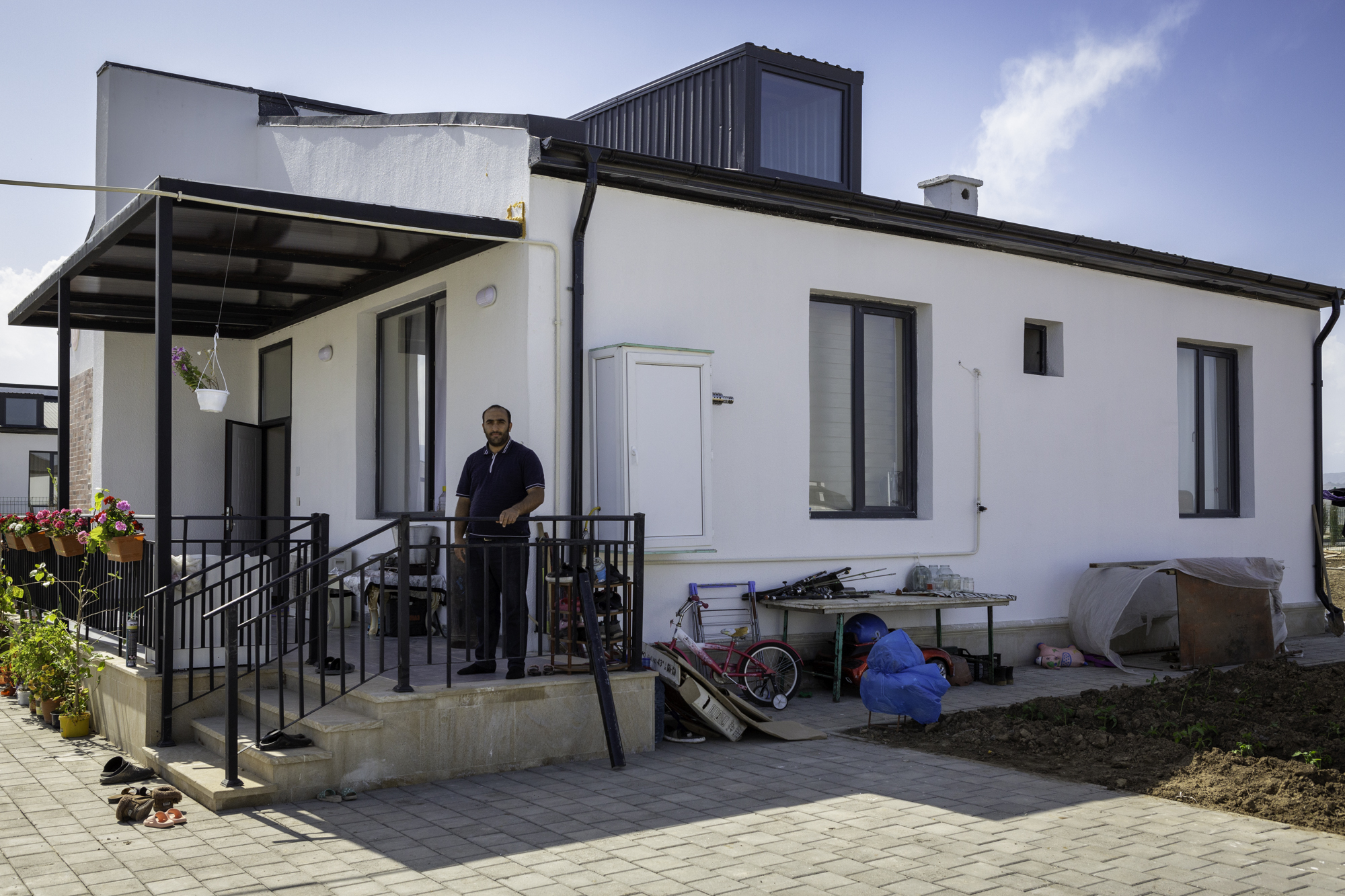
Sarjaly, one of the few villages built from scratch and currently inhabited. Nijat lives here with his family.
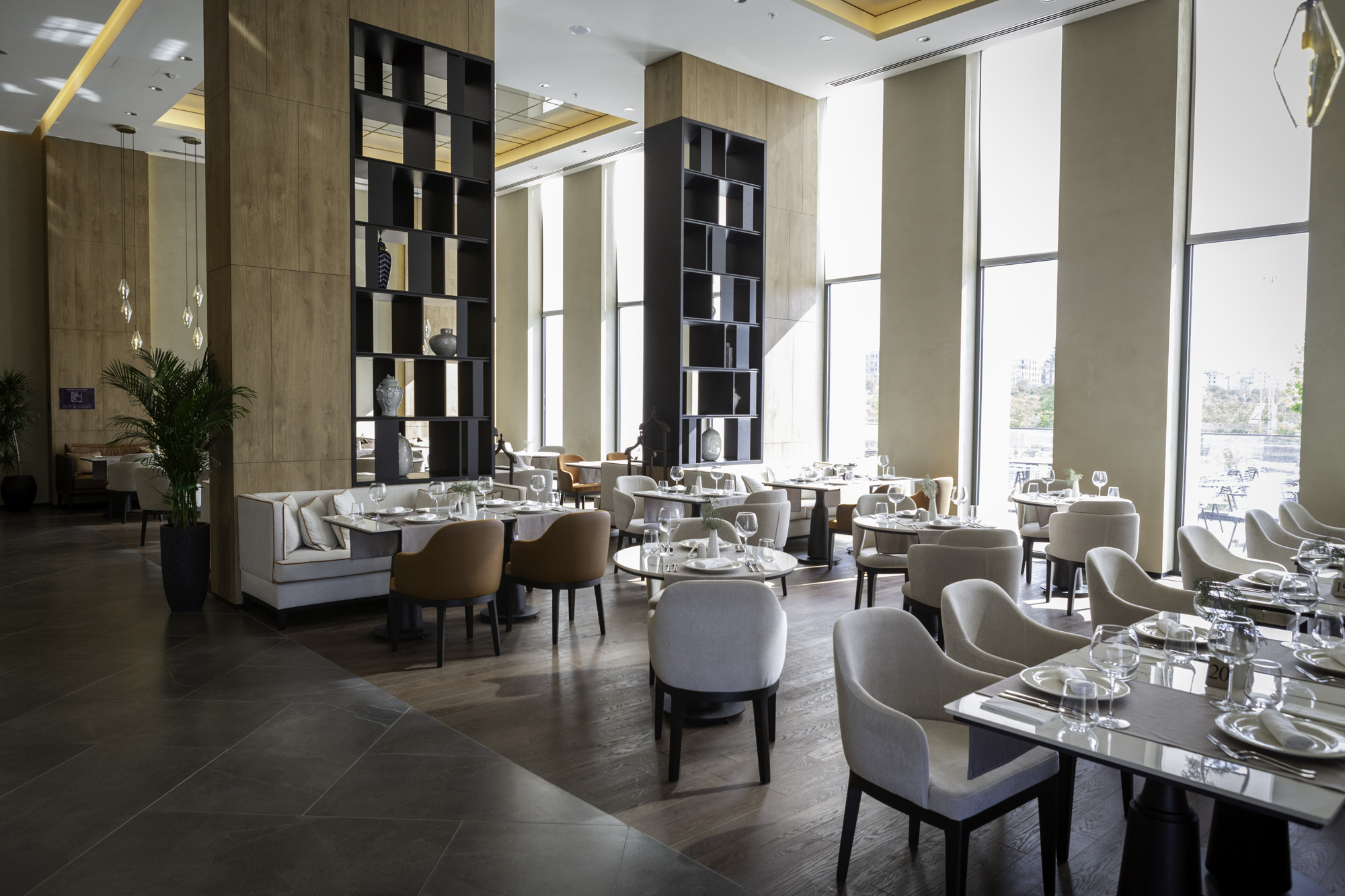
Agdam, interior of the restaurant at the Agdam City Hotel.
Shusha, city center. In front of the Yukhari Govhar Mosque.
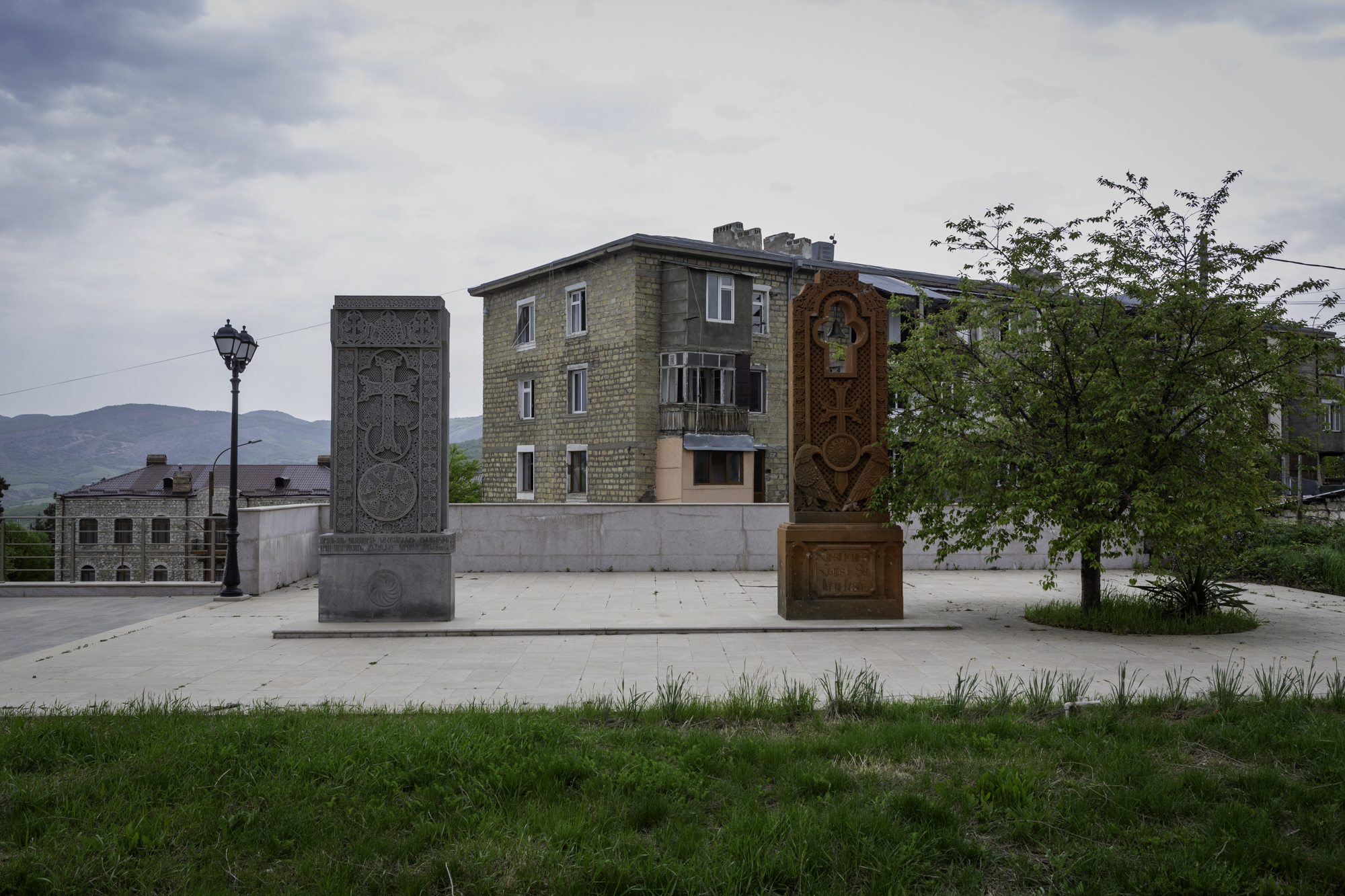
Xankendi, khachkar in the courtyard of the Cathedral of Saint Mary.
Xankendi. Portrait of Nureddin, a refugee in Baku after the outbreak of the first war.
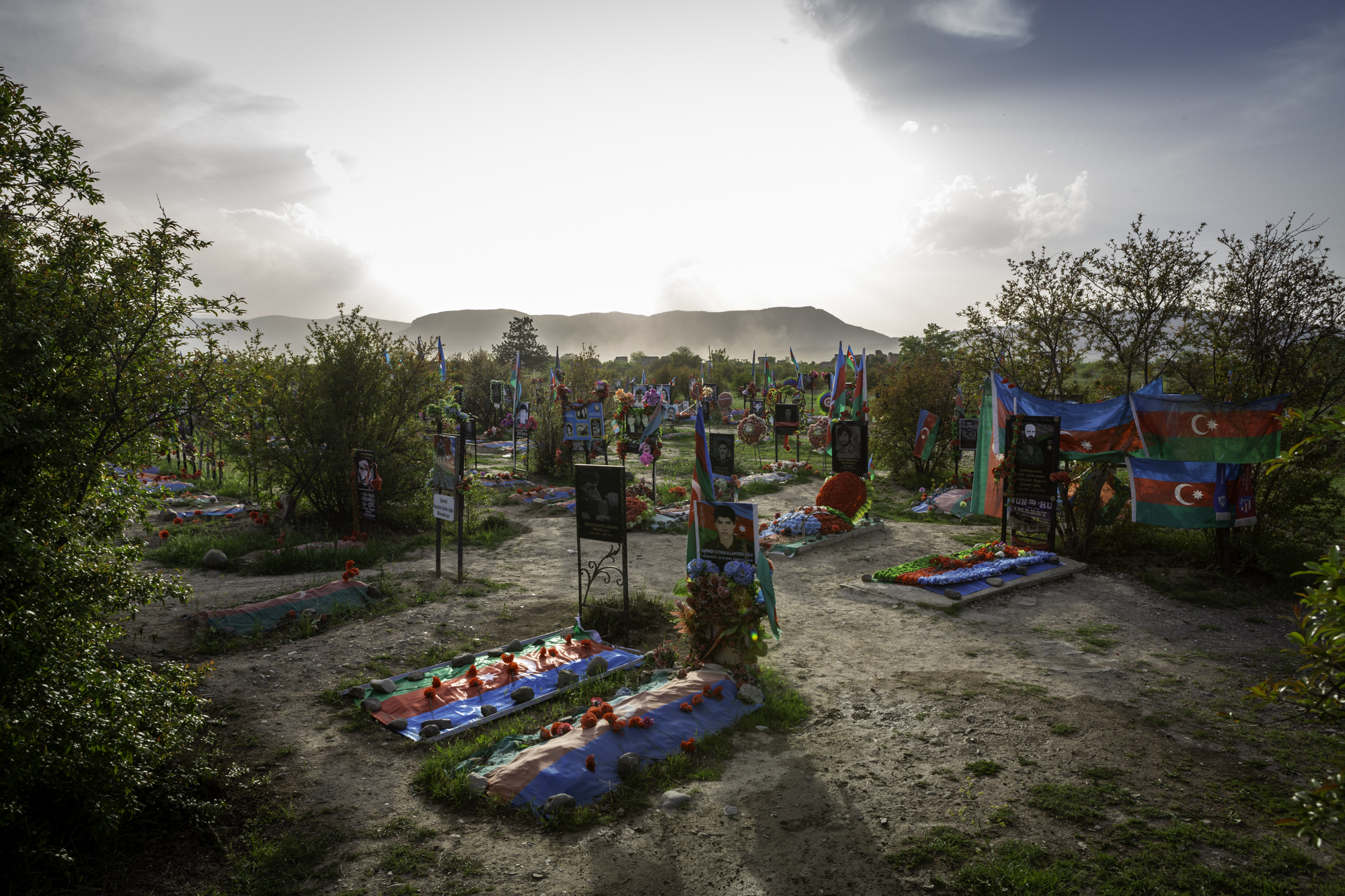
Agdam, memorial to the victims of the first war. On the right, the graves of national heroes Alabbas Iskandarov and Allahverdi Bagirov.
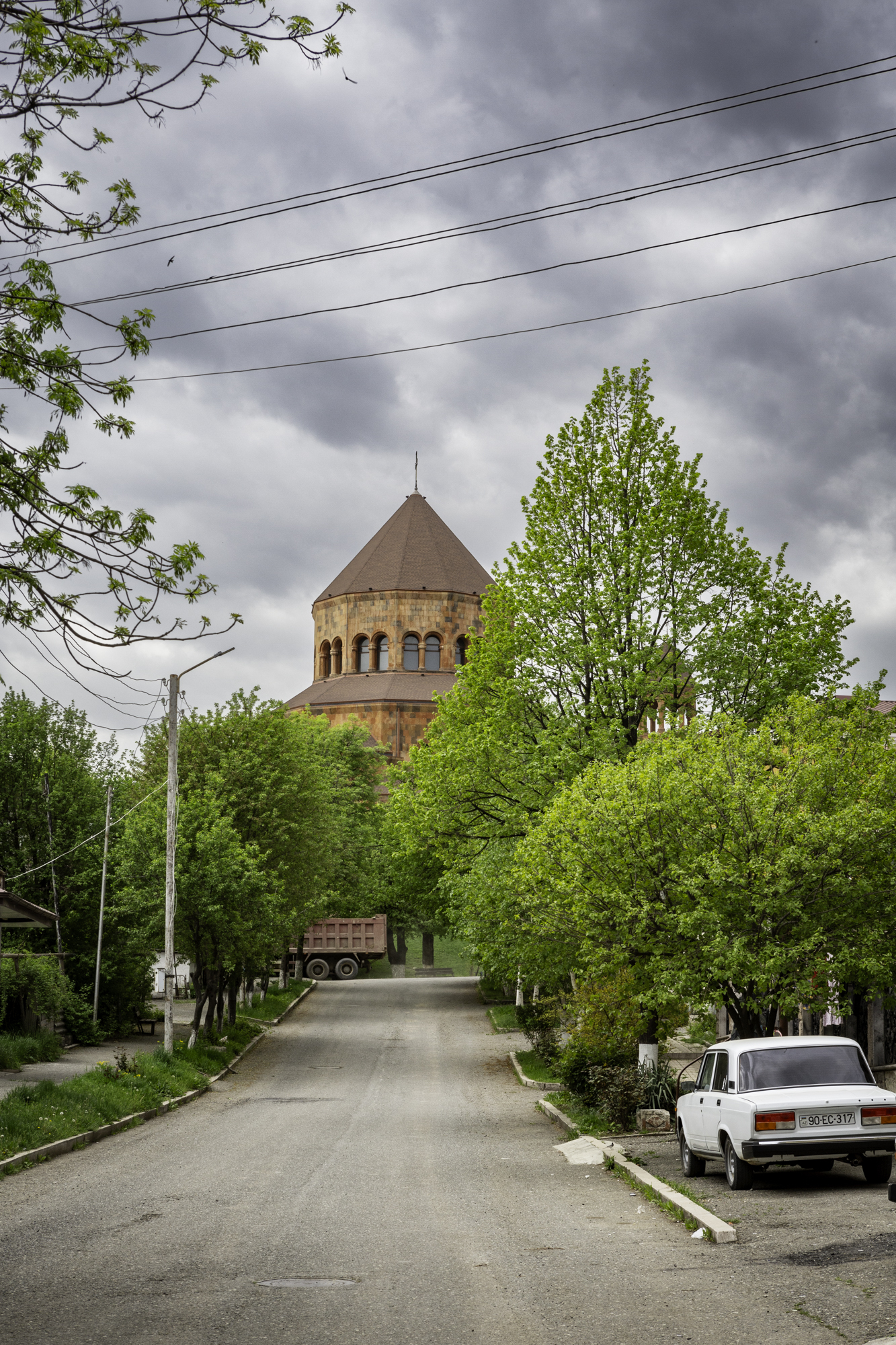
Xankendi, view of the Cathedral of Saint Mary.
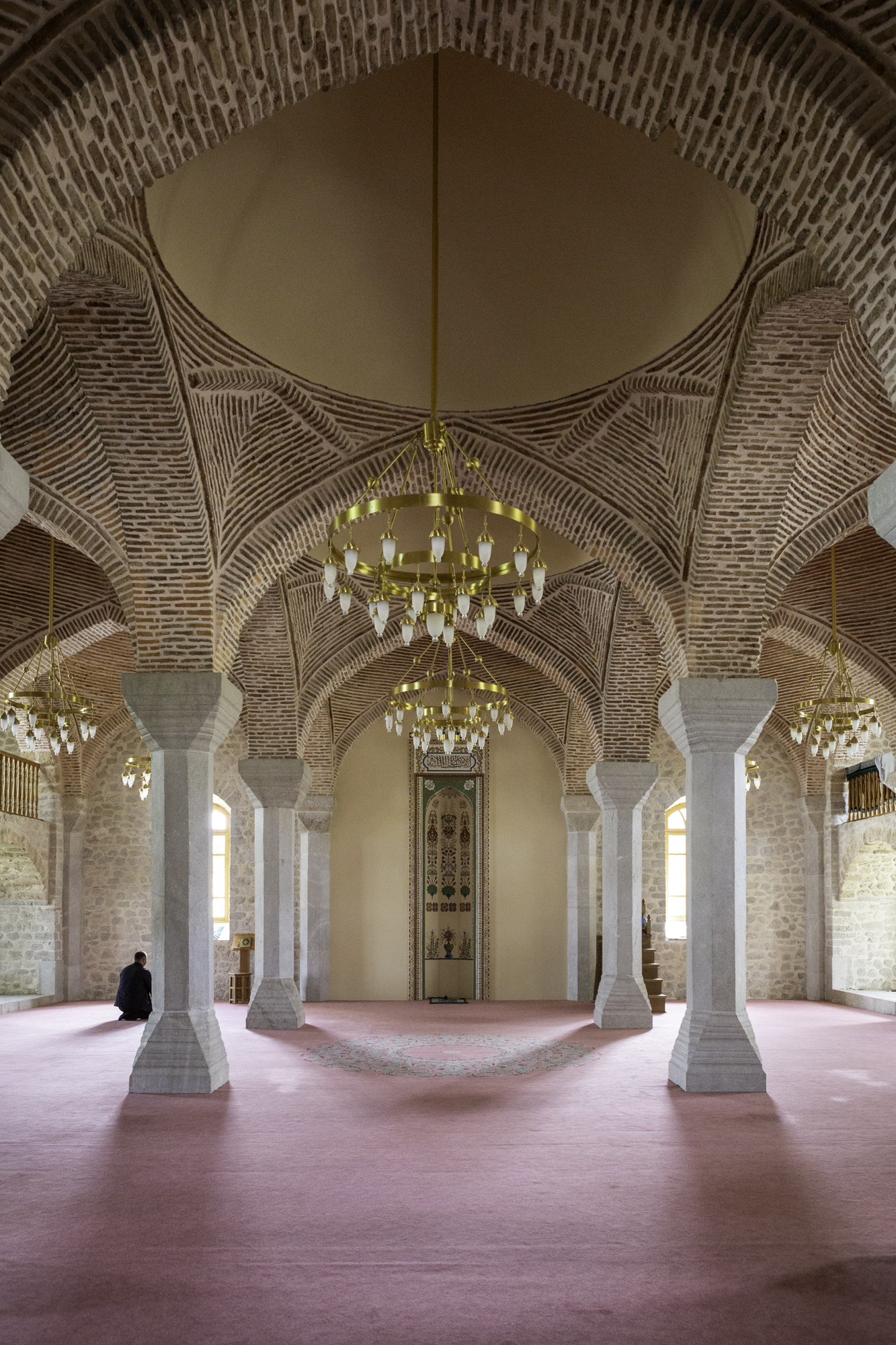
Shusha, interior of the Yukhari Govhar Mosque.
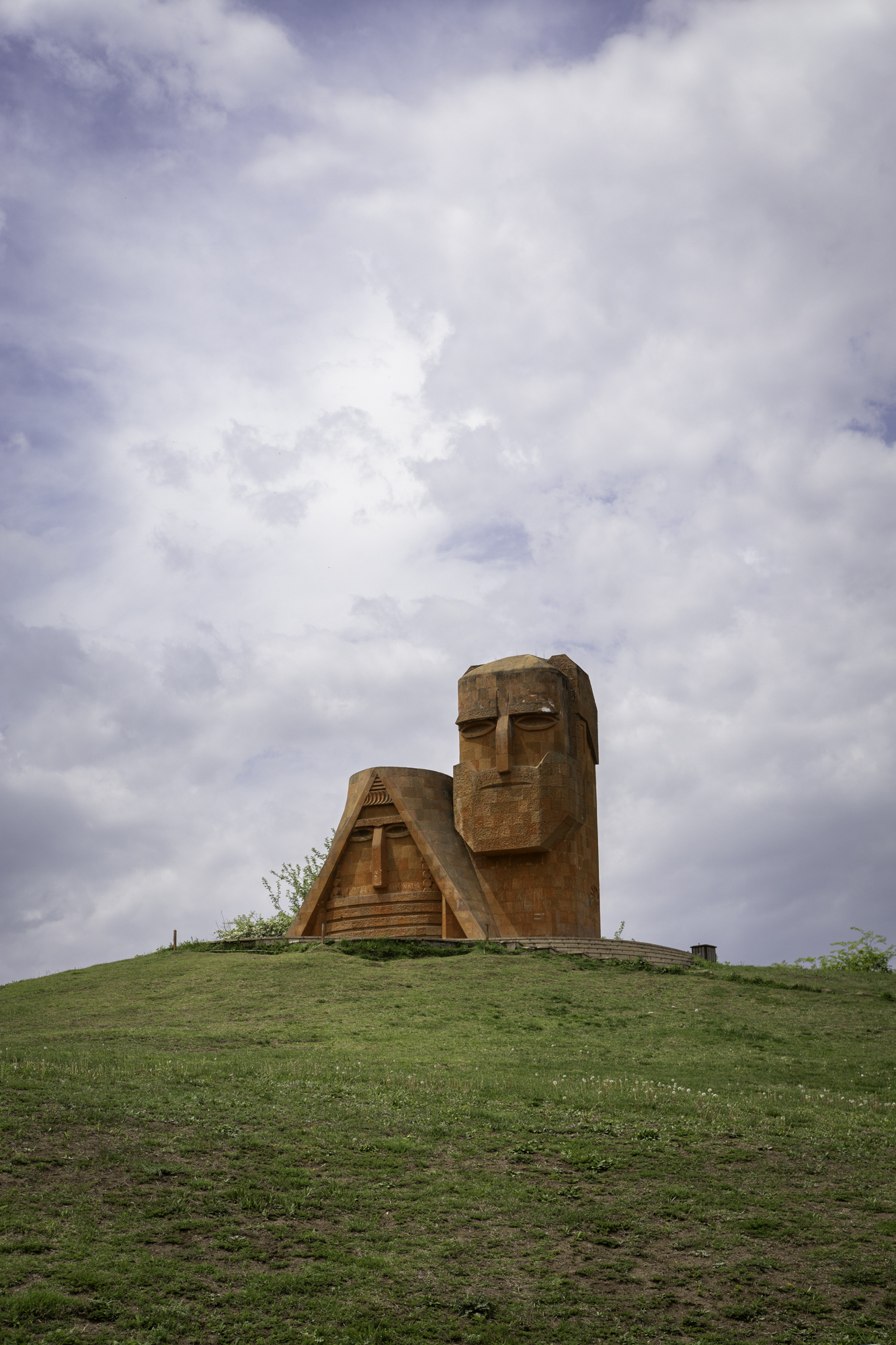
Xankendi, monument. “We are our mountains.”
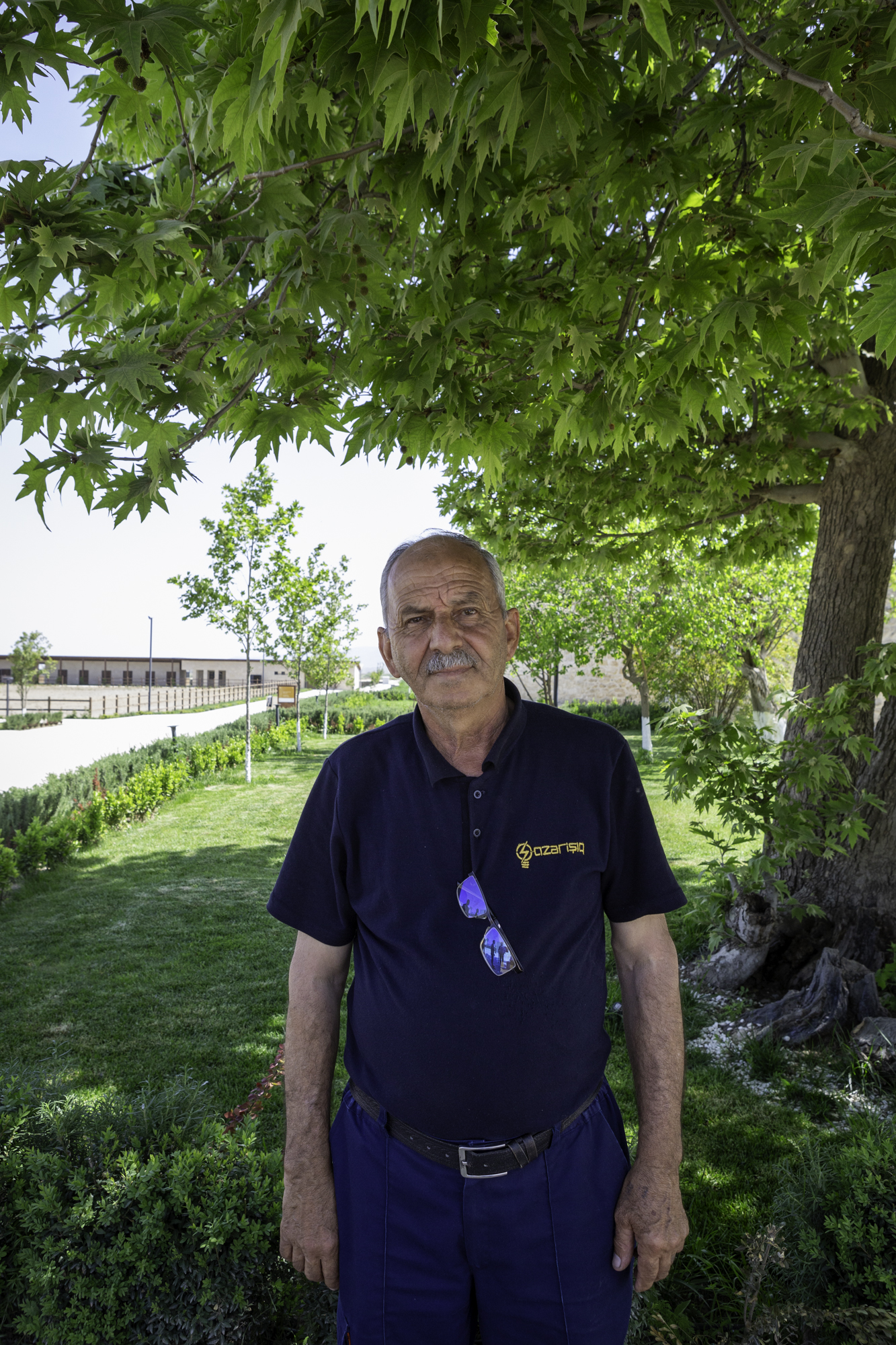
Agdam, Imarat complex. Zeinal is a veteran of the first war; today he works as an electrician for the national energy company.
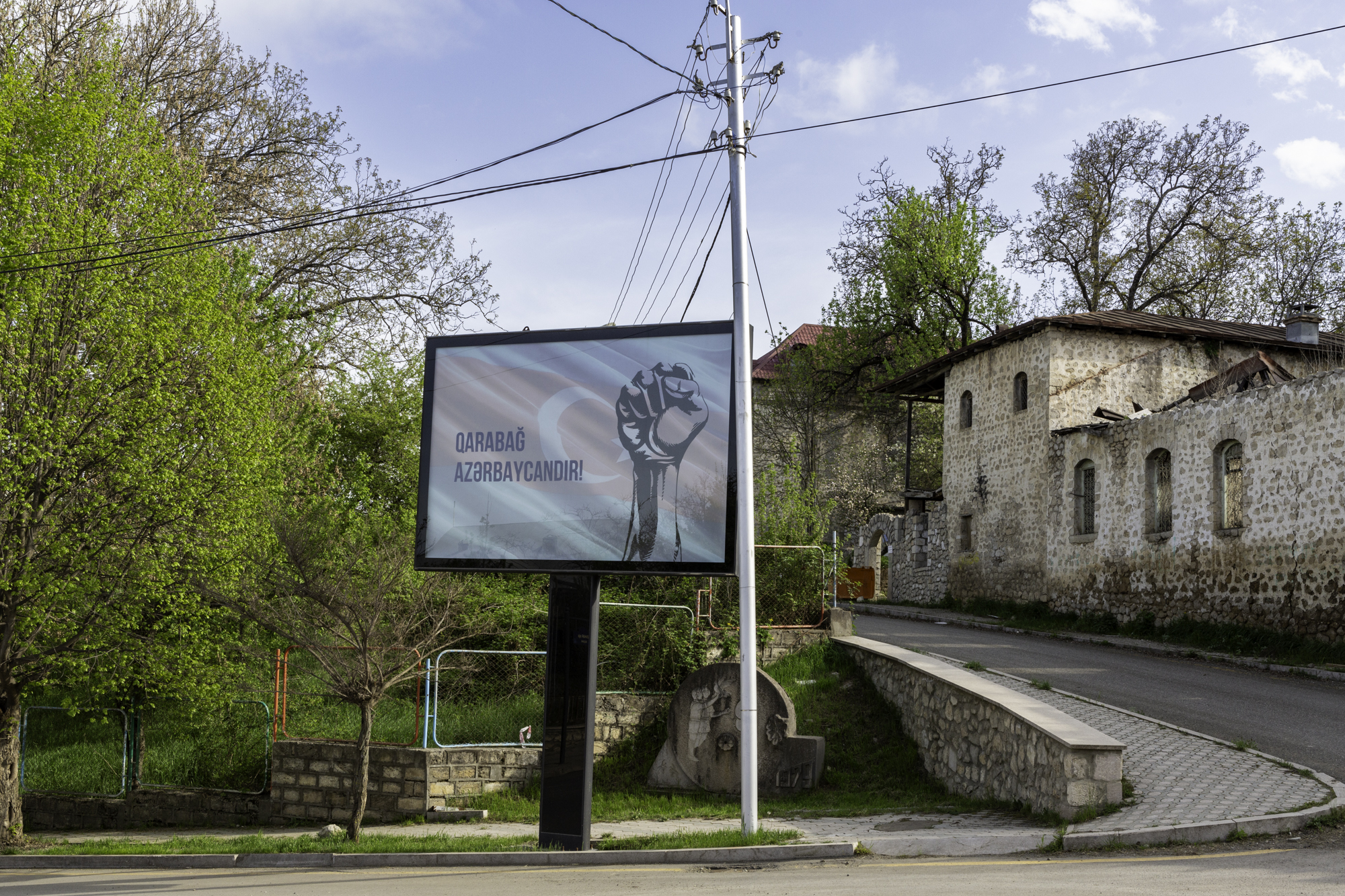
Shusha, a billboard celebrates the recapture of the region. Literally, it reads: “Qarabagh is Azerbaijani.”
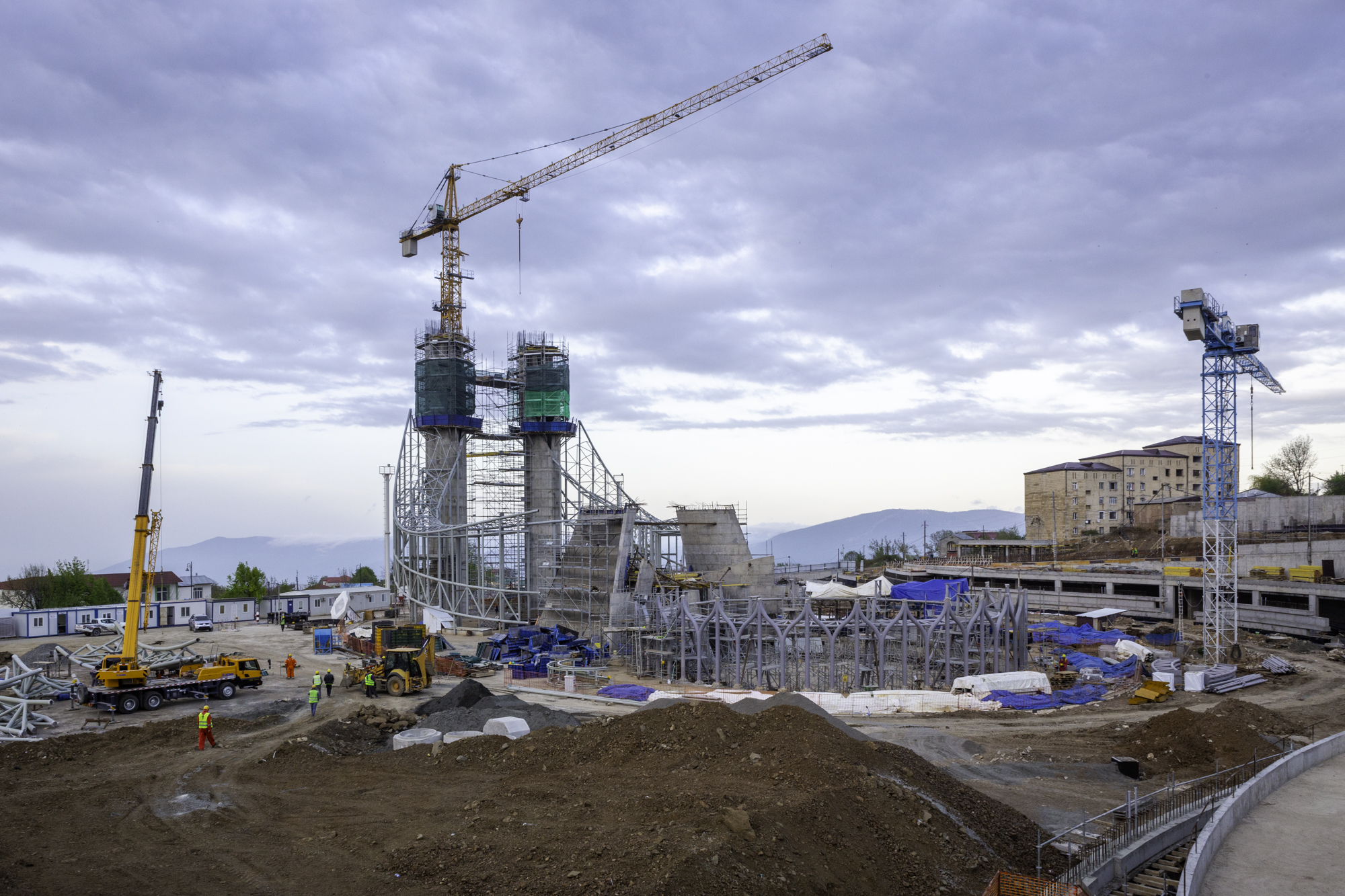
Shusha, the new mosque under construction.
Agdam, view of the residential complex of the second district; on the left, the Imarat complex.
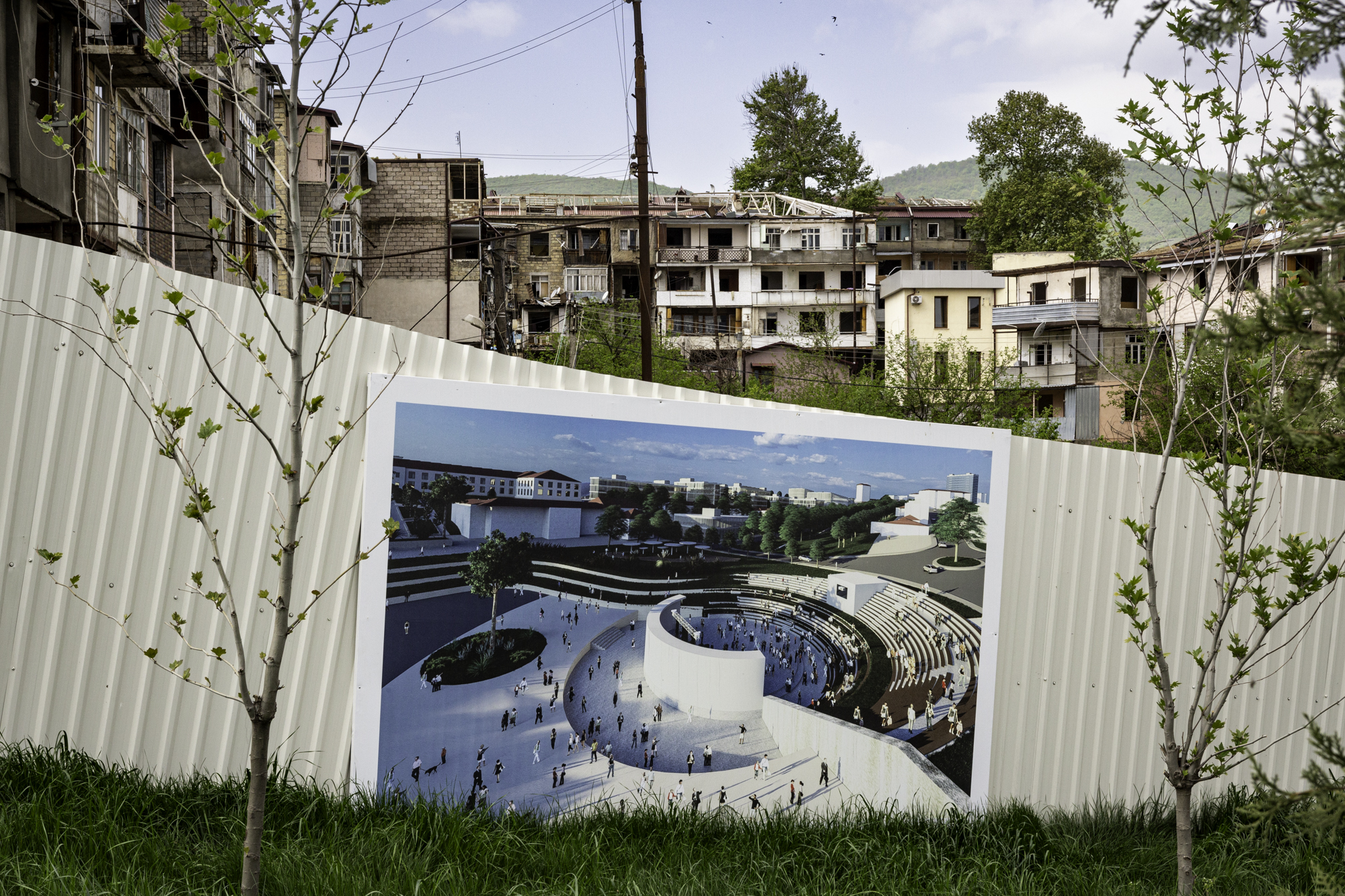
Xankendi, university area, final rendering of the reconstruction of the neighborhood.
Agdam, Aykhan, director of the Agdam City Hotel.
In the heart of the southern Caucasus, Qarabagh is undergoing a phase of profound transformation. The Republic of Artsakh, which proclaimed independence in 1991 within the borders of Azerbaijan, ceased to exist on January 1, 2024, after thirty-two years of conflict and instability. Never recognized internationally, it was retaken by Azerbaijan in November 2023, an event that triggered the exodus of nearly one hundred thousand Armenians and the definitive end of a de facto state. Today the region is accessible only with special permits and still bears the marks of war: abandoned villages, minefields, and cities in ruins. At the same time, a vast reconstruction plan promoted by Baku is rapidly reshaping the landscape, with new infrastructure, four-lane highways, residential complexes, and public institutions. Agdam, once the world’s largest ghost city, has become a symbol of rebirth: amid ruins and construction sites, modern buildings are rising, while the rubble is being transformed into urban memory. Farther south, the capital Xankendi (formerly Stepanakert) reveals the contrast between traces of the Armenian past and a new Azerbaijani identity, with entire neighborhoods rebuilt and monuments removed or replaced. High in the mountains, Shusha—cradle of Azerbaijani musical culture—brings together restored mosques, museums, and damaged palaces, in a fragile balance between preservation and rewriting. Today’s Qarabagh is a territory suspended between destruction and renewal, between the memory of what once was and the construction of a new present. Reconstruction becomes an integral part of both the landscape and the collective narrative, where the scars of war coexist with the desire to move forward and redefine the identity of a deeply contested place.